
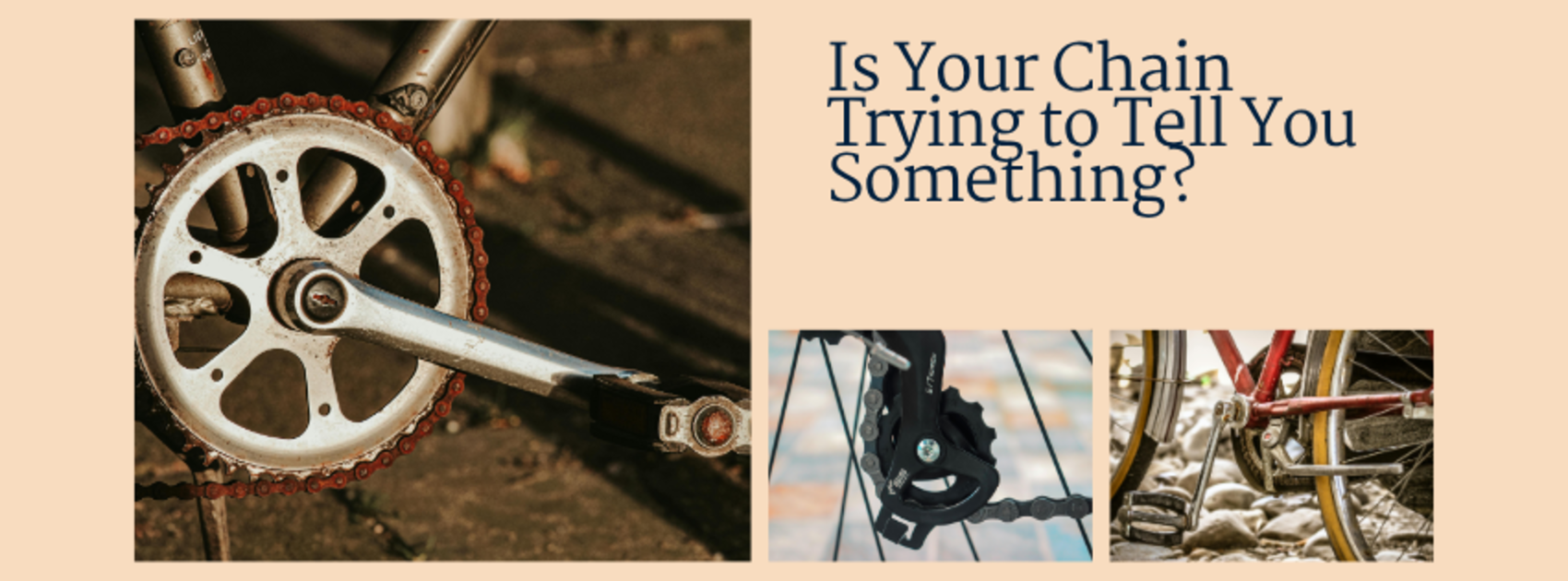
We see a ton of worn-out chains. After flat tires, it’s one of the more common issues we see.. And almost every time, the person bringing the bike in had no idea it was happening.
That is not a knock on anyone. Chains wear out slowly and quietly. They do not snap or make a terrible noise. They just stretch, little by little, until one day your shifting feels off and your cassette is already damaged. By then, a $50 fix has turned into something much more expensive.
Here is what is actually going on, and what to do about it.
What Actually Happens When a Chain Wears Out
The word everyone uses is “stretched,” but that is a little misleading. The chain links themselves do not stretch. What happens is that the small pins connecting each link gradually wear down, which causes the chain to elongate over time.
As the chain gets longer, it stops sitting cleanly on your cassette and chainrings. Instead of meshing the way it should, it starts grinding against the teeth at a slightly wrong angle. Those teeth wear down to match the worn chain. Do that long enough and you have a cassette that only works with a worn chain. Put a fresh chain on it and it will skip all over the place.
That is the part that gets expensive. A new chain is about $50 installed. A new chain plus a new cassette runs $100 to $150 or more. Catching it early can save some serious cash..
How to Know If Your Chain Is Worn
The most reliable way is with a chain wear indicator, a small tool that drops into the links and tells you exactly where you stand. We use one on every bike that comes in for service.
Without a tool, watch for these signs while you ride:
Shifting that feels sluggish or imprecise, especially under load. A chain that skips or jumps when you push hard on the pedals. A drivetrain that sounds rougher or louder than it used to. If any of those sound familiar, it is worth getting it checked.
What About Cleaning and Lubing?
Regular cleaning and lubrication genuinely extend chain life. A dry or grimy chain wears faster because the friction has nowhere to go. After rides in wet or muddy conditions, a quick wipe-down goes a long way. A light application of chain lube every few rides keeps things running smoothly.
More is not better with lube. Too much attracts grit and makes things worse. A thin, even coat is all you need.
Not Sure Where Your Chain Stands? Come Find Out for Free
If you cannot remember the last time your chain was checked, that is a good enough reason to bring it in.
Our Once Over is a free safety inspection with no appointment needed. We check the chain, the drivetrain, the brakes, and anything else that might need attention. You leave knowing exactly where your bike stands. No pressure to do anything on the spot.
Stop in any time we are open. A five-minute check today could save you a $150 repair down the road. We like the way you roll, and we want to keep it that way.